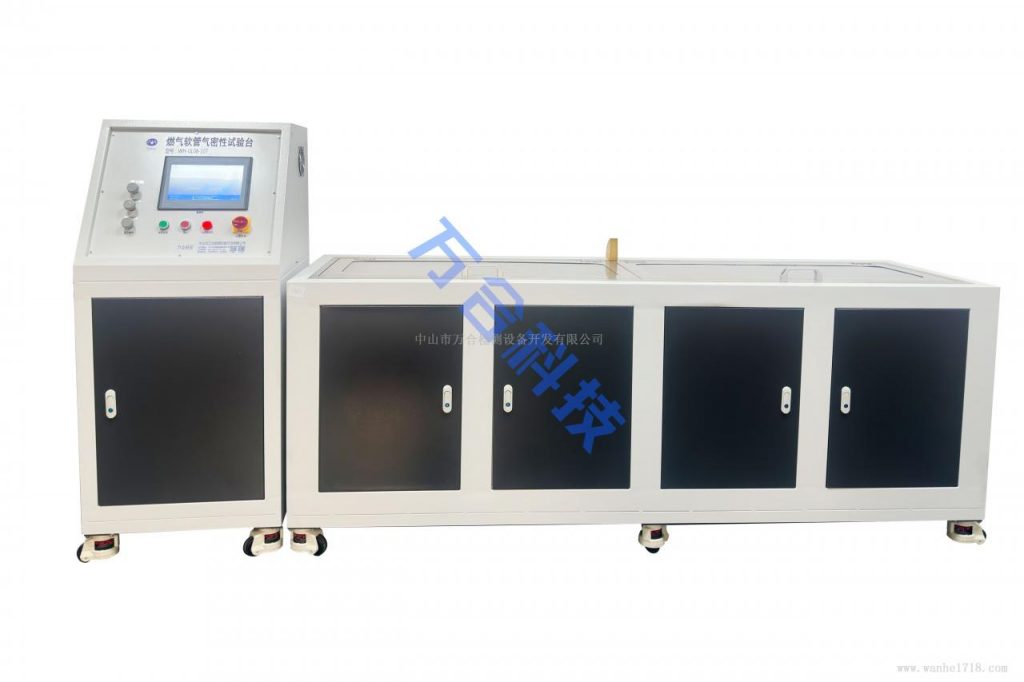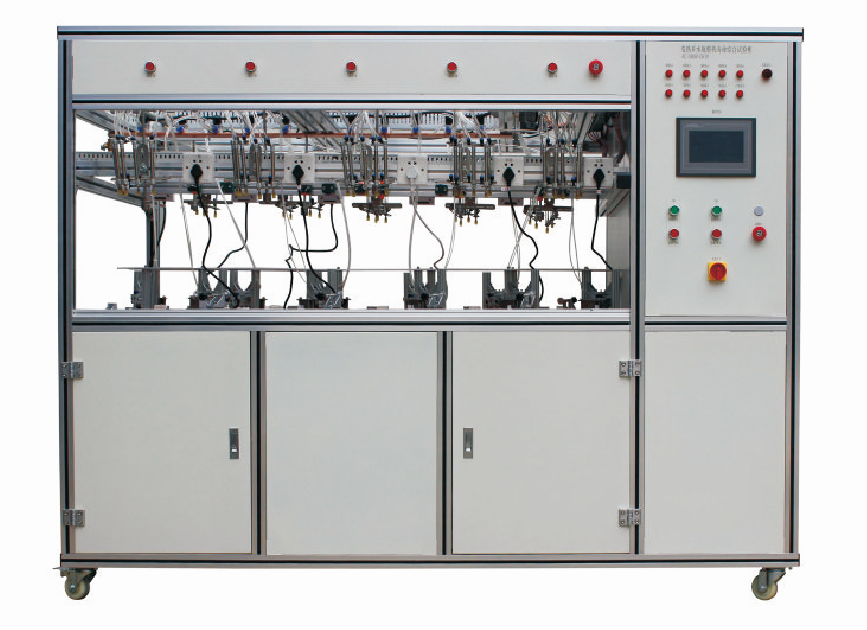
Gas Appliance Testing Equipment: Your Strategic Entry Point for Middle East Laboratory Development
The Middle East is undergoing a transformative industrial expansion. From Saudi Arabia’s Vision 2030 to the UAE’s industrial strategy, the region is investing heavily in manufacturing, energy infrastructure, and product safety compliance. For manufacturers and suppliers of gas appliance testing equipment, this represents a unprecedented opportunity to develop laboratory clients across the Gulf Cooperation Council (GCC) and broader Middle East and North Africa (MENA) region.
This strategic guide explores the market landscape, regulatory drivers, and practical approaches for successfully positioning your testing solutions in this high-growth market.
The Middle East Laboratory Equipment Market: A Growth Story
The Middle East and Africa gas equipment market is projected to grow from USD 10.41 billion in 2025 to USD 15.03 billion by 2033, registering a compound annual growth rate (CAGR) of 4.7% . Within this expanding market, gas detection and analysis equipment represents the largest segment, capturing 34.9% of the market share in 2025 .
Why Gas Testing Equipment is in Demand
Several factors are converging to drive demand for precision gas appliance testing equipment in the Middle East:
-
Massive Infrastructure Investment: Gulf nations are pouring billions into new cities, industrial zones, and energy projects, all requiring certified gas appliances and safety systems.
-
Industrialization Acceleration: Countries like Saudi Arabia, UAE, and Oman are aggressively developing local manufacturing capabilities, creating demand for in-house testing laboratories.
-
Regulatory Modernization: GCC standardization bodies are adopting and enforcing international testing protocols, mandating proper equipment for compliance.
-
Safety Culture Evolution: Following high-profile industrial incidents, there is heightened awareness of gas safety across oil & gas, petrochemicals, and manufacturing sectors .
Understanding the Regulatory Landscape
Success in the Middle East laboratory market requires navigating a complex but structured regulatory environment.
GCC Standardization and Conformity Programs
Most Middle Eastern countries have implemented Verification of Conformity (VoC) programs that directly impact gas appliance testing requirements :
| Country | Regulatory Program | Gas Products Regulated |
|---|---|---|
| Saudi Arabia | SABER/SALEEM | Gas appliances, LPG products, industrial gases |
| UAE | MoIAT VoC | Gas appliances, safety equipment |
| Oman | DGSM VoC | Gas-related industrial products |
| Bahrain | BTMD VoC | Gas appliances, safety gear |
| Egypt | GOEIC CoC/CoI | Industrial gases, chemicals |
These programs share common objectives: protecting consumers and workers, ensuring environmental compliance, and preventing substandard products from entering the market . For laboratory clients, this means they must demonstrate testing capabilities that align with GCC-accepted standards.
Key Gulf Standards for Gas Appliances
Laboratories seeking accreditation must test against specific Gulf Standards (GSO). Relevant standards include:
-
GSO 140:1991 – Methods of testing rubber hoses for household appliances using liquefied petroleum gases
-
GSO EN 14624:2024 – Performance requirements for portable leak detectors and fixed gas detectors for refrigerants
-
Various standards for LPG equipment, cylinder marking, and fire safety systems
Understanding these standards is essential when positioning your gas appliance testing equipment to potential laboratory clients.
Market Leaders and Competitive Landscape
The Middle East gas equipment market features both global players and regional specialists. Major international suppliers include :
-
Honeywell International Inc. (USA)
-
MSA Safety Incorporated (USA)
-
Drägerwerk AG & Co. KGaA (Germany)
-
Teledyne Gas and Flame Detection (USA)
-
Emerson Electric Co. (USA)
-
Siemens AG (Germany)
-
ABB Ltd. (Switzerland)
-
Yokogawa Electric Corporation (Japan)
Regional players like Gulf Cryo Holding (UAE) also maintain strong positions . For new entrants, the key differentiator is not just equipment quality, but deep understanding of local compliance pathways.
Essential Gas Appliance Testing Equipment for Middle East Laboratories
When developing laboratory clients in the region, your product portfolio should address the full spectrum of testing requirements mandated by GCC regulations.
1. Gas Leak Detection and Tightness Testing Systems
Leak detection is the foundation of gas appliance safety. The region’s extreme temperatures and harsh environments make robust testing essential. Modern systems use differential pressure decay methods or mass flow sensors to verify the integrity of every sealed cavity, joint, and valve.
Critical for compliance with GSO EN 14624 performance requirements for sensitivity, operating range, and response time .
2. Combustion Analysis and Emissions Benches
With increasing environmental awareness and tightening emissions standards, combustion analysis has become mandatory. These systems measure:
-
CO and CO2 concentration for combustion completeness
-
NOx emissions for compliance with evolving regional standards
-
Excess oxygen for air-fuel ratio optimization
-
Flame ionization current for safety interlock verification
3. Functional Life and Endurance Test Rigs
Middle Eastern manufacturers exporting to global markets must demonstrate durability under extreme conditions. Endurance testers automate:
-
Valve cycling (50,000 to 100,000 operations)
-
Ignition system reliability testing
-
Thermostat calibration drift monitoring
-
Door mechanism fatigue testing for ovens
4. Water Flow and Thermal Performance Stations
For gas water heaters and combination boilers—products in high demand across the region—these stations verify:
-
Flow rate sensitivity and temperature stability
-
Recovery efficiency under heavy draw conditions
-
Scalding protection device functionality
-
Freeze protection algorithms for units installed in variable climates
5. Electrical Safety and Ground Bond Testers
Modern gas appliances integrate sophisticated electronics, requiring rigorous electrical testing:
-
Dielectric withstand (hipot) for insulation integrity
-
Ground bond continuity verification
-
Leakage current measurement
-
Power consumption validation for energy labeling
Strategic Approach to Developing Middle East Laboratory Clients
Success in this market requires more than just superior products. Here is a strategic framework for positioning your gas appliance testing equipment effectively.
1. Understand the “Smart” Trend
The Middle East market is rapidly adopting smart monitoring and automation technologies . Laboratories are seeking equipment with:
-
IoT-enabled sensors for remote monitoring
-
Predictive maintenance capabilities
-
Integration with centralized control platforms
-
Real-time alerting and data analytics
Position your equipment as part of this digital transformation, not just standalone test stations.
2. Offer Integrated Compliance Solutions
Laboratory clients face significant challenges navigating multiple regulatory frameworks. The most successful suppliers offer end-to-end solutions that combine :
-
Precision testing equipment
-
Documentation supporting VOC certification
-
Guidance on GCC standard compliance
-
Connections with certification bodies
This integrated approach reduces client risk and accelerates their time-to-market.
3. Target Key Geographic Hubs
While the entire region offers opportunity, certain markets deserve priority :
-
Saudi Arabia: Dominates with 28.5% market share, driven by massive industrial projects and rich gas reserves
-
UAE: Leading re-export hub with sophisticated logistics and free zones
-
Oman: Growing manufacturing base with strategic port infrastructure
-
Egypt: Expanding industrial gas sector and large domestic market
-
Nigeria: Fastest-growing market in the region, fueled by gas exploration expansion
4. Address Market Challenges Transparently
Middle Eastern laboratory clients face genuine barriers :
-
High initial costs for advanced testing equipment
-
Skilled labor shortages for installation and maintenance
-
Regulatory complexity across multiple jurisdictions
-
Supply chain dependencies on imported equipment
Address these challenges directly in your value proposition. Offer modular solutions that scale with client budgets. Provide comprehensive training programs. Maintain local spare parts inventories.
Case Study: Integrated Testing and Certification
The most successful laboratory development strategies mirror the approach taken by organizations like Cotecna Middle East, which operates Wimpey Laboratories offering high-precision gas testing services .
Their model demonstrates what laboratory clients value:
-
ISO-accredited facilities with state-of-the-art instruments
-
Fast, accurate, and reliable results
-
Hydrocarbon analysis and gas composition testing
-
Environmental and emissions monitoring
-
Seamless connection to VOC certification services
When your gas appliance testing equipment enables this level of integrated service, you become an indispensable partner rather than just a vendor.
Trade Data Validates Opportunity
World Bank trade data confirms the region’s appetite for gas analysis equipment. In 2023 alone, the United Arab Emirates exported nearly $28 million worth of gas or smoke analysis apparatus . Key destinations included:
-
Saudi Arabia: $6.9 million
-
Oman: $2.5 million
-
Qatar: $2.5 million
-
Iraq: $1.9 million
-
Egypt: $1.2 million
-
Kuwait: $0.96 million
This intra-regional trade demonstrates that Middle Eastern countries are not only consumers but also distributors of gas testing technology—a key consideration for your market entry strategy.
Conclusion: Seizing the Laboratory Development Opportunity
The Middle East presents a compelling opportunity for suppliers of gas appliance testing equipment. Driven by infrastructure investment, industrialization, and regulatory evolution, the demand for precision testing solutions will only intensify through 2033 and beyond.
Success requires more than shipping equipment. It demands:
-
Deep understanding of GCC standards and VOC requirements
-
Positioning within the trend toward smart, connected testing systems
-
Strategic targeting of high-growth markets like Saudi Arabia and Nigeria
-
Transparent addressal of cost and skills challenges
-
Integration with certification pathways that simplify client compliance
For manufacturers who approach this market with strategic intent, the Middle East offers not just sales, but lasting partnerships with laboratories powering the region’s industrial future.